

Insights · Product Development & Manufacturing
From Product Design to Manufacturing: What Australian Businesses Need to Prepare.
A practical guide for businesses moving from a product idea, drawing, sample, prototype or existing design into commercial manufacturing in China.
Before You Approach a Manufacturer
A product does not need to be completely finished before you begin exploring manufacturing. But the clearer the requirement becomes before production starts, the easier it is to compare factories, obtain useful quotations and reduce avoidable revisions.
For many Australian businesses, the challenge is not simply finding a manufacturer. It is converting an idea, drawing, sample or existing product into information a manufacturer can quote, sample and reproduce consistently.
A good factory cannot manufacture what has not yet been clearly defined. The job is to turn a commercial idea into a production standard.
1. Start With What You Already Have
Businesses often delay sourcing because they believe they need a complete technical specification before speaking with a manufacturer.
In practice, a project may begin with much less:
- A hand sketch or product concept
- A CAD drawing or technical drawing
- An existing product or competitor reference
- A physical sample or prototype
- A product photograph
- Existing packaging or artwork
- A current supplier quotation
- A list of changes you want from the current product
The important point is to distinguish between what is already known and what still needs to be developed or confirmed.
2. Define the Commercial Objective Before the Technical Detail
A product should be developed around the reason it is being manufactured. The same item may require a very different manufacturing approach depending on whether it is intended for premium retail, industrial use, hospitality, agricultural operations, promotional use or a low-volume market test.
Before asking a factory to quote, clarify:
- Who will use the product?
- Where will it be used?
- What must it do reliably?
- What appearance or finish is required?
- What quantity is commercially realistic?
- What target cost or current purchase price exists?
- When and where is delivery required?
The objective is not to manufacture the most technically complex version of the product. It is to manufacture the version that is commercially appropriate for the market and application.
3. Understand the Difference Between Product Design and Production Design
A product may look complete visually but still not be ready for manufacturing. A concept drawing or presentation rendering communicates the idea; a production file needs to communicate how the item will actually be made.
Shape, appearance, branding, basic dimensions, user experience and intended function.
Materials, tolerances, construction, artwork position, tooling, finishing, assembly and production constraints.
This is where design support becomes part of procurement.
Where required, For U Supply's China-based design team can assist with artwork preparation, layout, packaging files, visual mock-ups and production-related design adjustments. The purpose is not to replace a customer's brand or product designer, but to help bridge the gap between the available design information and what the manufacturer needs for sampling and production.
4. Define Dimensions, Materials and Finishes
Small specification differences can create large differences in quotation, performance and production method.
At minimum, try to define or identify:
- Overall dimensions
- Critical dimensions or fit requirements
- Material type
- Material thickness, weight or grade where relevant
- Surface texture or finish
- Colour requirements
- Printing, coating, foil, embossing or decoration
- Assembly method
- Performance requirements
- Expected operating environment
If the material is not yet known, describe the performance you need rather than guessing a specification. A capable manufacturer can then propose technically suitable options for comparison.
5. Prepare Artwork and Branding for Production
Branded products often fail at the handover between design and manufacturing. A logo file may be visually correct but still require adjustment to work with the selected product, print area or production process.
Depending on the product, the manufacturer may require:
- Vector logo files
- Print-ready artwork
- Bleed and safe-area allowances
- Dieline-compatible layouts
- Colour references
- Artwork positioning dimensions
- Embroidery or decoration files
- Packaging layout and mandatory copy
Artwork approval should mean more than “the logo looks right”. It should confirm exactly where and how the branding will be produced.
6. Know the Difference Between a Prototype and a Production Sample
A prototype proves an idea. A production sample should prove that the selected manufacturer can reproduce the agreed product using the intended materials and manufacturing process.
Useful for form, function, dimensions, handling, design direction and early technical evaluation.
Should reflect the intended material, branding, finish, construction and factory process as closely as practical.
When possible, the approved sample should become part of the production reference used for quality control.
7. Identify Tooling, Setup and One-Off Development Costs
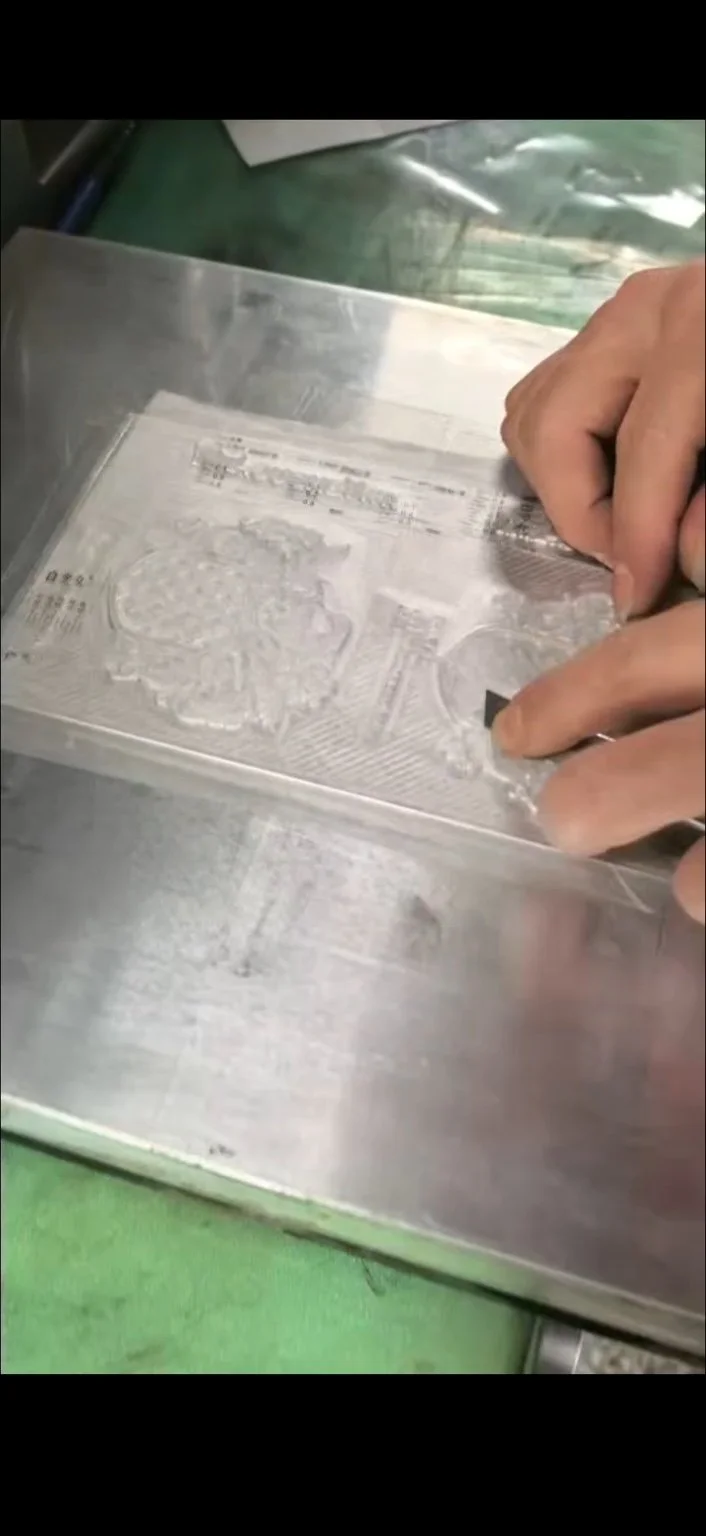
A low unit price can be misleading if the project requires tooling, moulds, dies, printing plates, screens, setup fees or special sample work.
Before approving a supplier, understand:
- What tooling is required?
- Who owns the tooling?
- Is the tooling reusable for future orders?
- Are artwork or plate setup fees one-off or recurring?
- Does a design change require new tooling?
- Is sample cost credited against a production order?
These costs matter particularly when testing a new product in relatively small quantities.
8. Define Packaging Before Production — Not After
Product packaging affects freight, protection, presentation, labelling, warehouse handling and sometimes the manufacturing process itself.
Decide early whether the product requires:
- Individual retail packaging
- Protective inner packaging
- Bulk cartons
- Custom printed cartons
- Barcodes or labels
- Instruction sheets
- Branded presentation packaging
- Export or pallet packing requirements
Packaging should be quoted at the same time as the product where possible so that the landed solution can be assessed properly.
9. Give the Manufacturer Enough Information to Quote Commercially
Factories quote differently depending on quantity, materials, finishing, packaging, tooling and manufacturing process.
A useful sourcing brief should therefore include at least an estimated quantity and, where available, a target price or current purchase price.
Product + Specification + Artwork + Quantity + Packaging + Delivery Requirement + Commercial Objective
This does not lock you into one specification. It gives the manufacturer enough context to propose realistic options rather than quoting a product that only looks similar on paper.
10. Identify Compliance Responsibilities Early
Depending on the product, Australian standards, labelling requirements, electrical approvals, material declarations, food-contact requirements or other compliance obligations may apply.
These should be identified before committing to commercial production. A factory's existing certificate or overseas standard should not automatically be treated as confirmation that the finished product meets every Australian requirement.
Where formal Australian approval or engineering certification is required, this should be confirmed with the appropriate local specialist or authority.
11. Create a Production Approval Pack Before Mass Production
Before the factory starts the full production run, the final approved information should be consolidated into one clear reference.
A useful production approval pack may include:
This reduces the risk of different people working from different versions of the requirement once production starts.
What Should You Send When Starting a Manufacturing Project?
You do not need every item below. Send what you already have, then identify what still needs to be developed.
Useful starting information:
How For U Supply Helps Move a Design Into Manufacturing
For U Supply supports Australian businesses that have a product requirement but need help turning it into a practical manufacturing project.
Depending on the stage of the project, that can include design and artwork preparation, manufacturer identification, quotation comparison, sampling, production coordination, quality control and international delivery.
Review the idea, sample, drawing, existing product or commercial brief.
Assist with artwork, layout, production files and requirement clarification where needed.
Identify manufacturers whose process and capability fit the product.
Compare specification, MOQ, tooling, pricing and sample options.
Align approved files, samples, materials and manufacturing requirements before the full run.
Coordinate production checks and the landed solution through to Australia.
See how product requirements move into production.
Different products require different manufacturing processes, but the principle remains the same: define the requirement clearly, prepare it for production, approve a standard and manage manufacturing against it.
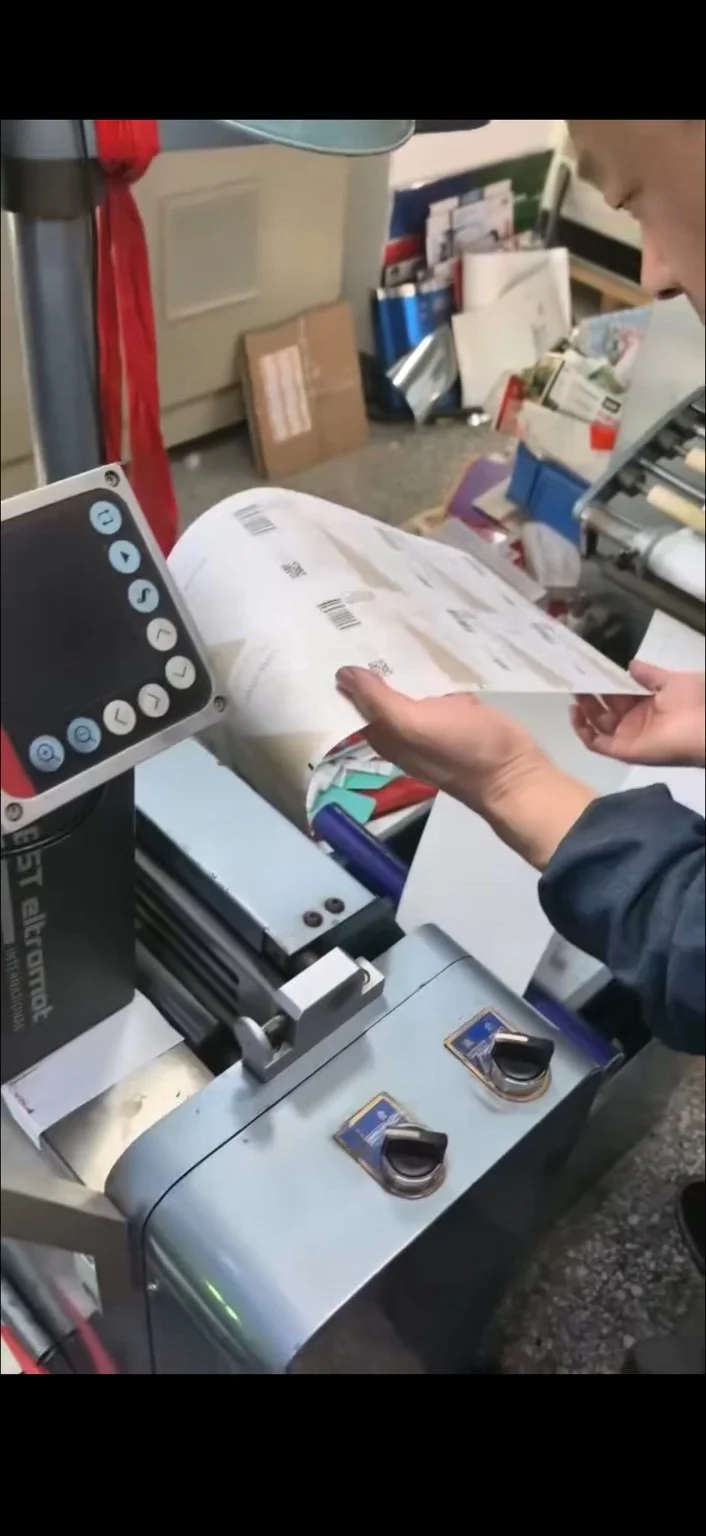
Custom Wine Labels
Artwork and production setup, material selection, finishing and on-ground quality review for a Western Australian winery.
View Project →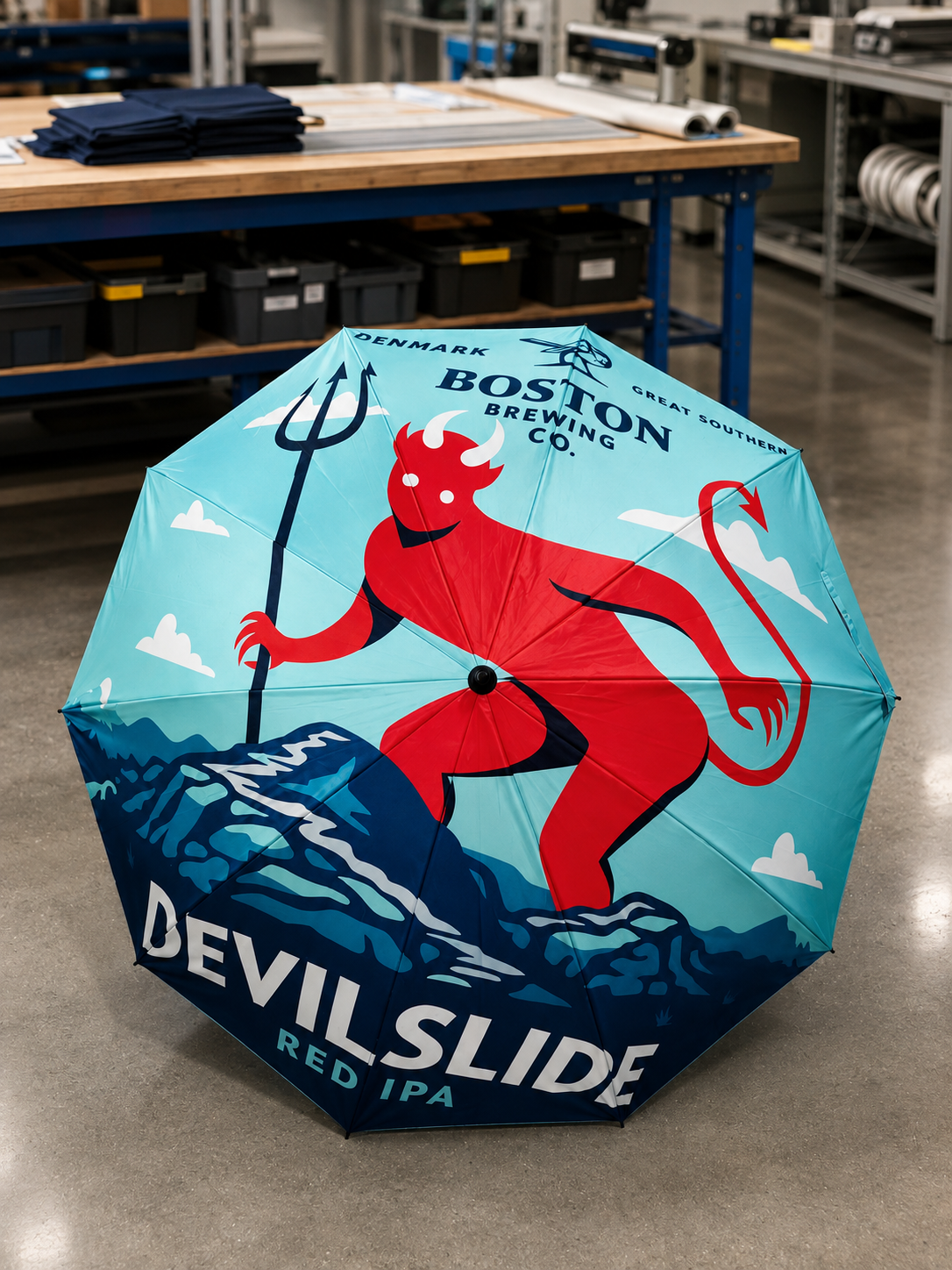
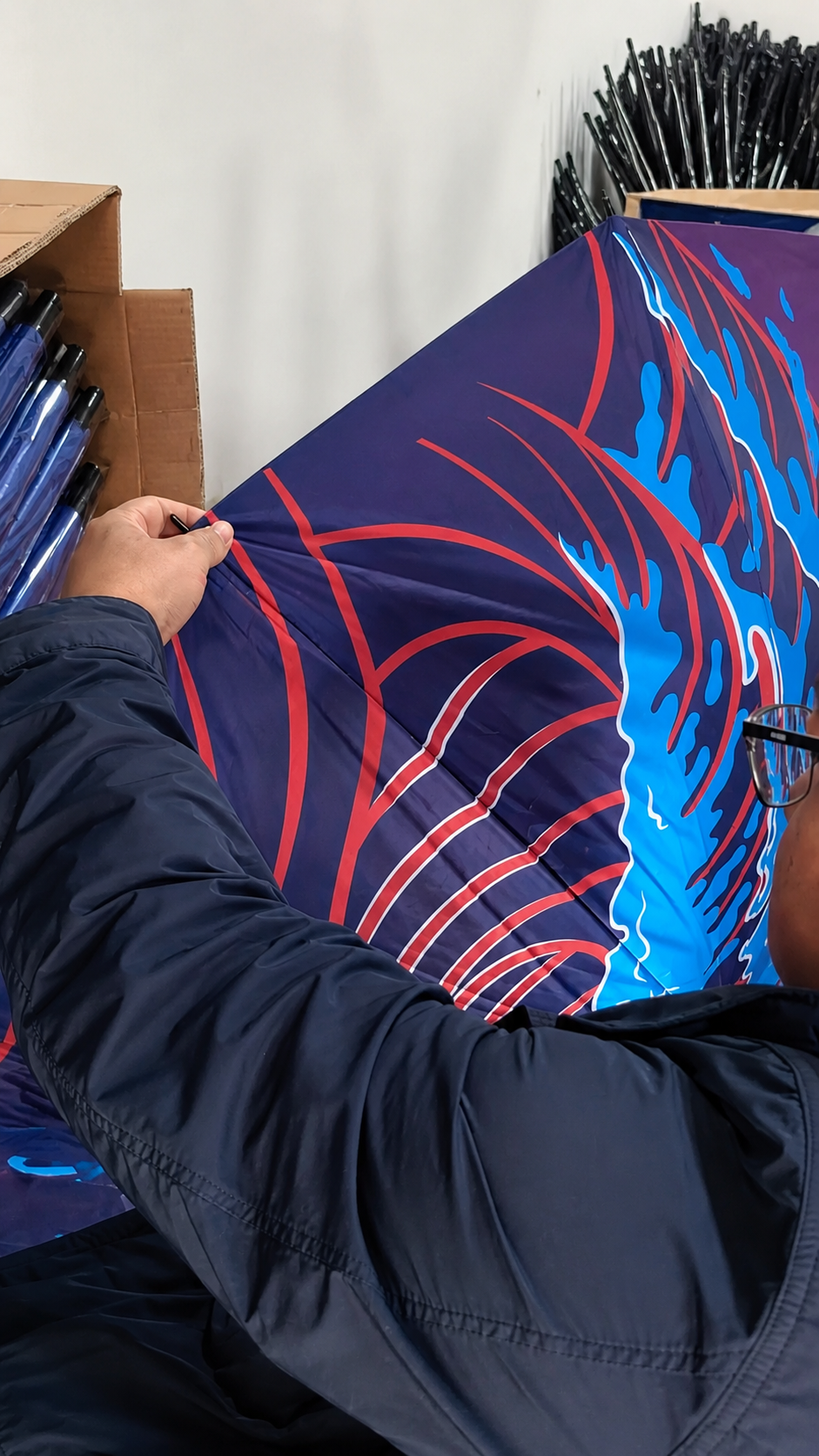
400 Custom Branded Umbrellas
Artwork coordination, product development, custom manufacturing, production inspection and export packing.
View Project →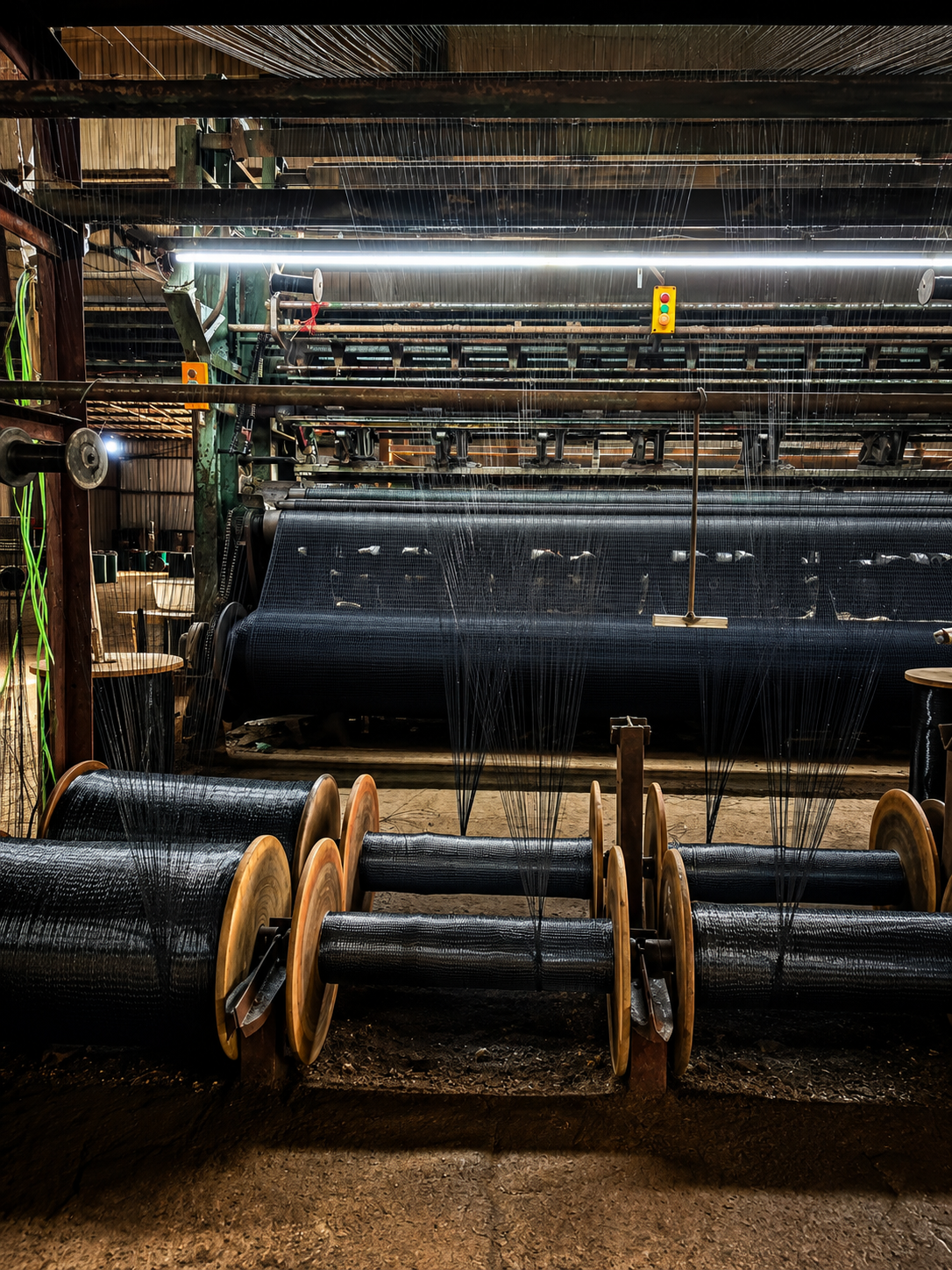
Vineyard Bird Netting
Application review, manufacturing, material assessment and quality coordination for practical vineyard deployment.
View Project →