

Custom & Project Procurement
Sourcing for Products That Do Not Fit a Standard Catalogue.
Some requirements sit outside standard product categories. They may be a custom modular building for a farm, a prefabricated workshop, fabricated industrial components, a private-label household range or another highly specific commercial product. For U Supply helps Australian businesses assess and coordinate these non-standard projects around the actual technical, commercial and delivery requirement.
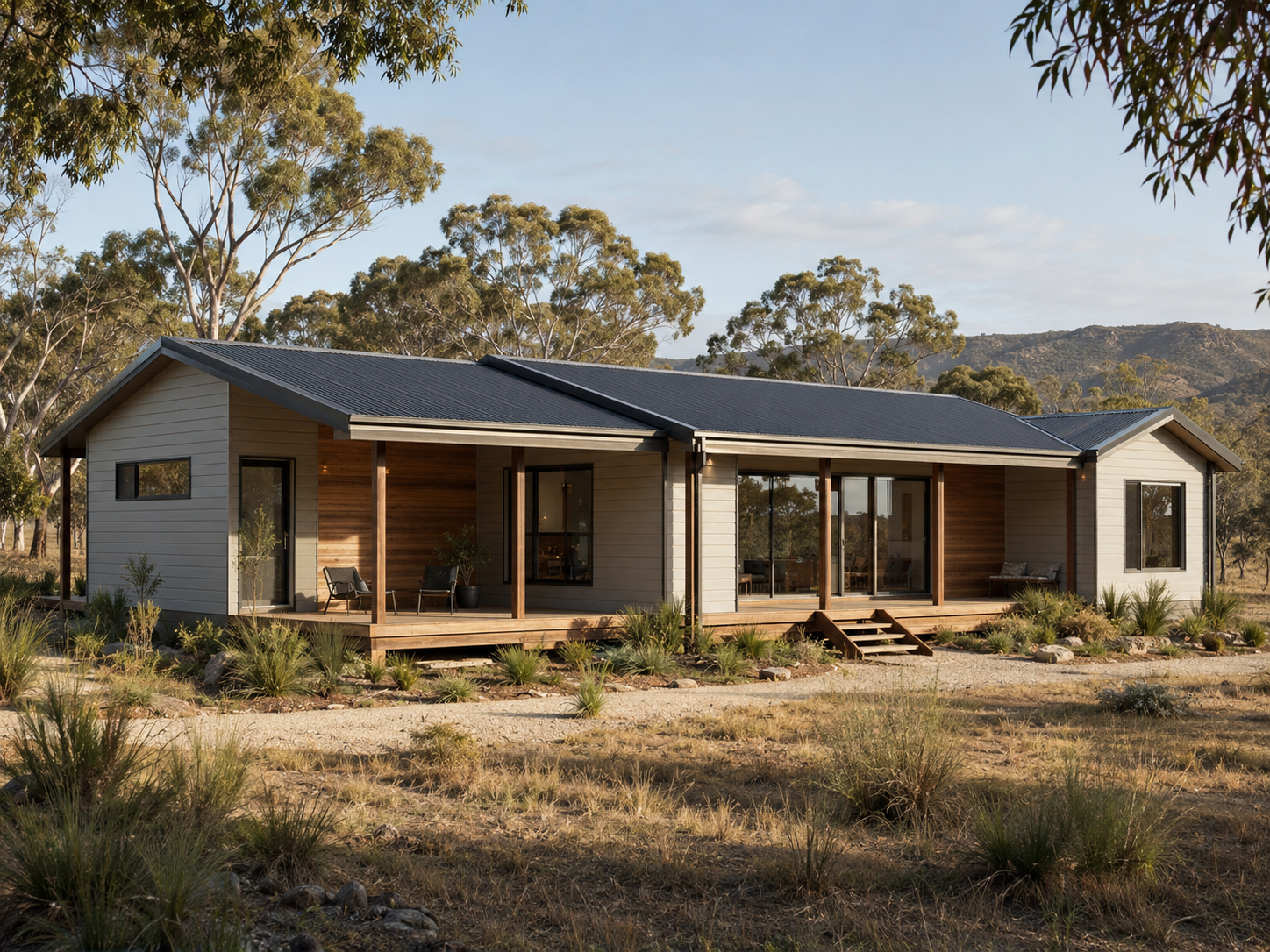
Examples of Custom Projects
The category is broad because the requirement can be highly specific.
This Solution is for products that need to be developed around the customer's operating environment, dimensions, materials, Australian project requirements or private-label specification rather than selected from a standard supplier catalogue.
Farm Modular Buildings & Accommodation
Custom modular cabins, farm accommodation, amenities, site offices, storage rooms and other prefabricated structures developed around project dimensions, layout, materials and site requirements.
Workshops, Sheds & Commercial Structures
Prefabricated workshops, light industrial structures, equipment shelters, storage structures and other project-specific fabricated building packages requiring drawings and engineering review.
Fabricated Components & Industrial Items
Custom steelwork, fabricated components, brackets, frames, enclosures, storage systems, project hardware and other products manufactured from drawings, samples or engineering specifications.
Custom Bedding, Textiles & Household Products
Private-label or custom ranges such as bedding, linen, cushions, towels, soft furnishings, household accessories and other lifestyle products developed around materials, dimensions, packaging and branding.
Professional Salon Products & Accessories
Salon accessories and operating products such as colour bowls, brushes, foils, capes, trolleys, storage items, salon furniture and other customised beauty-industry products. Chemical or electrical products require separate regulatory and compliance assessment.
Unusual Custom Products & New Product Ranges
Products developed from an existing sample, competitor reference, commercial concept or private-label requirement where materials, construction, packaging and production need to be coordinated together.
Modular & Prefabricated Projects
From a single farm building to a prefabricated project package.
Modular and prefabricated products are different from ordinary product sourcing because drawings, engineering, site conditions, transport, installation and Australian compliance requirements can all affect the final solution.
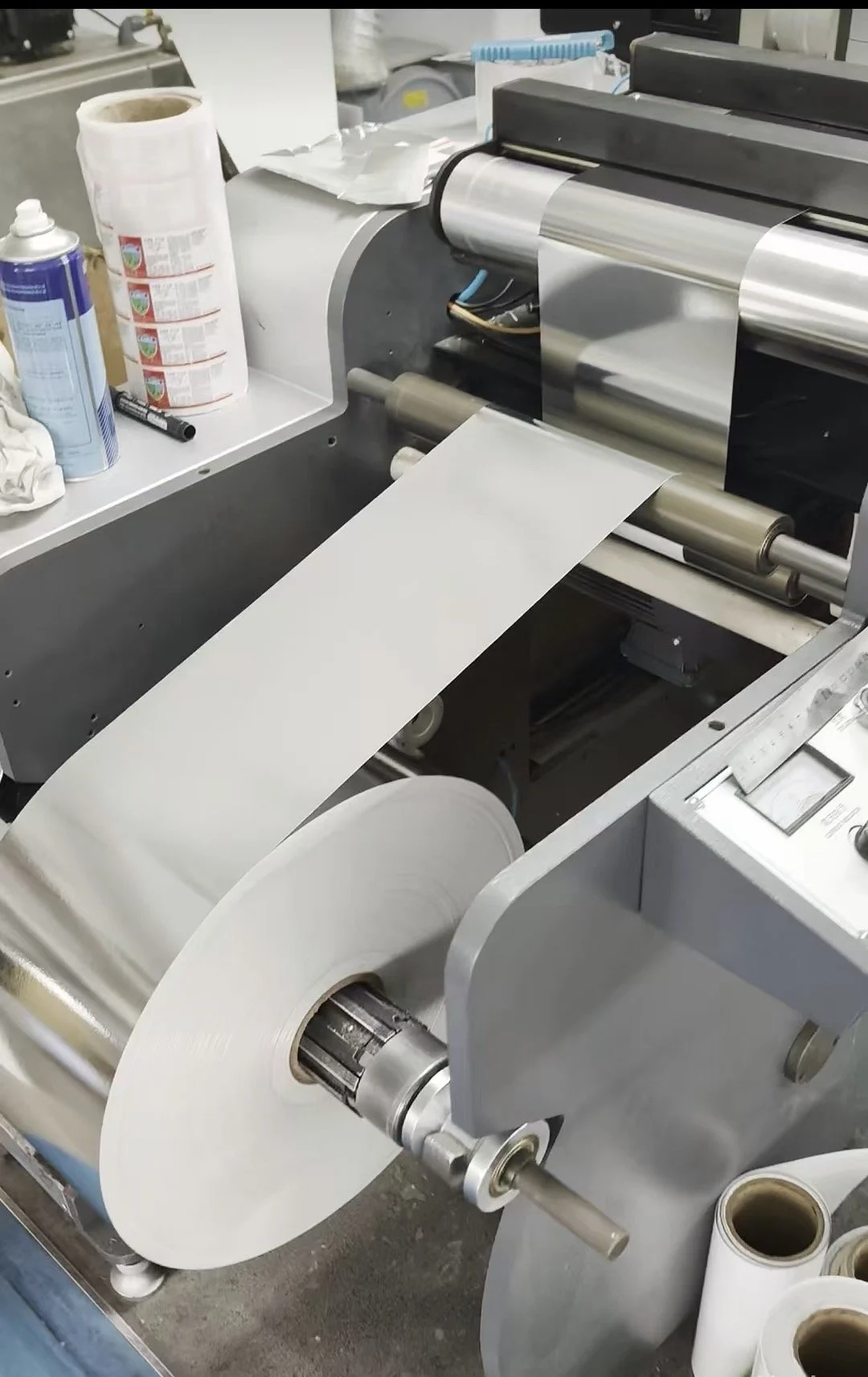
Australian Requirements
Custom products may need to be built around Australian standards, codes or project specifications.
For building, industrial, electrical, structural or other regulated products, compliance should be addressed before production rather than assumed after the goods arrive in Australia.
Project Specification
Start with the client's drawings, engineering requirements, material specifications and required performance.
Relevant Standards
Identify applicable Australian standards, building requirements, certifications or testing before production where relevant.
Factory Capability
Confirm whether the manufacturer can work to the required drawings, materials, tolerances, documentation and inspection requirements.
Independent Review
Where engineering, certification or regulatory sign-off is required, appropriate Australian professionals or accredited bodies should be involved.
More Than One Product
Some projects are better treated as a procurement package.
A customer may need several related products rather than one SKU. We can assess whether combining related requirements creates a more practical sourcing, manufacturing and logistics solution.
Modular accommodation + workshop + storage + project hardware
Rather than sourcing each item in isolation, the project can be reviewed as one coordinated package around layout, manufacturing, freight and site use.
Bedding + towels + soft furnishings + packaging
Materials, colours, dimensions, branding, packaging and order quantities can be coordinated across a related household or lifestyle range.
Furniture + trolleys + storage + operating accessories
A professional beauty or hairdressing business may need a group of compatible products rather than one isolated custom item.
Fabricated components + frames + hardware + packing
Multiple manufactured components can be coordinated around the same engineering package, production schedule and shipment.
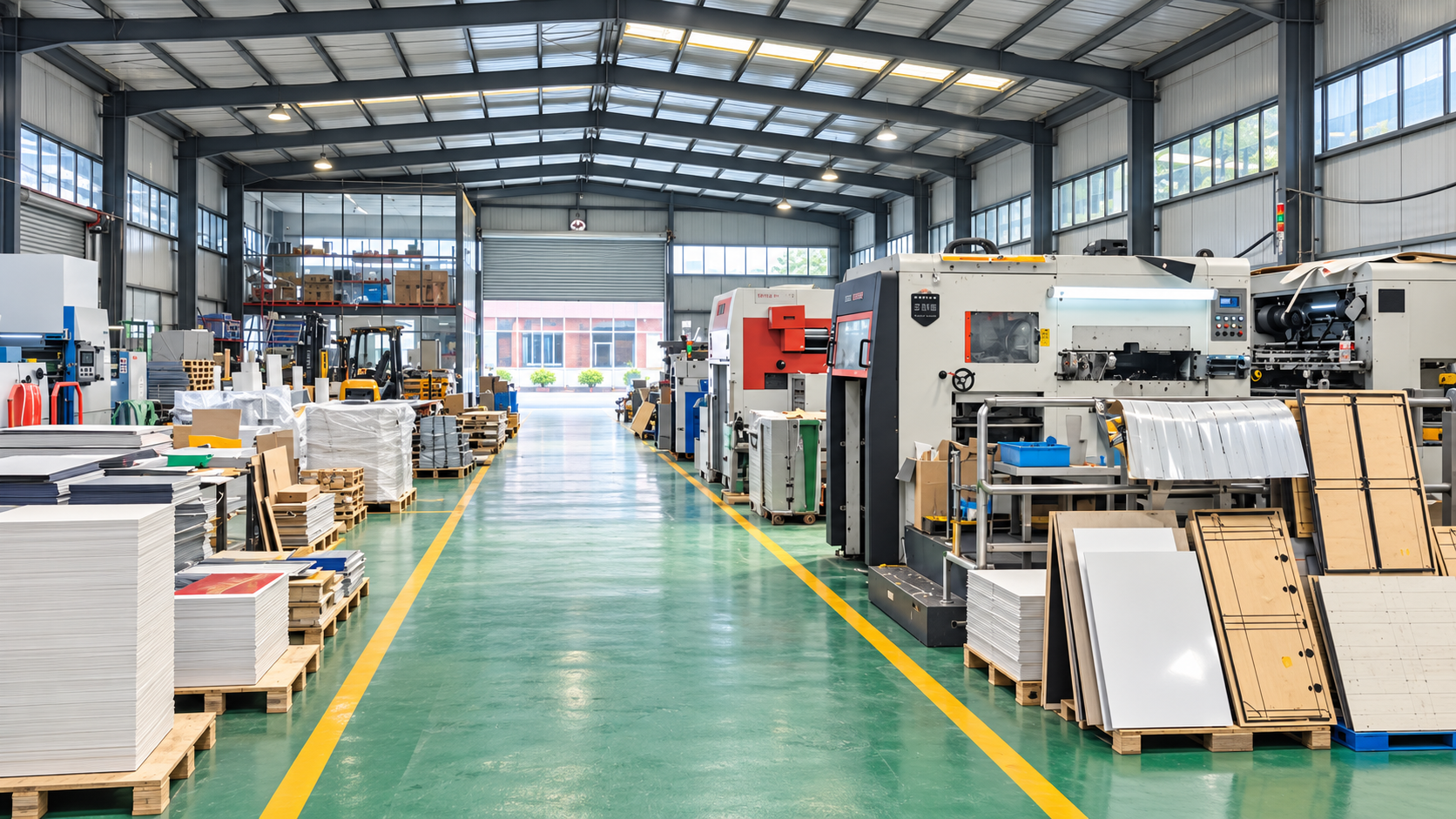
Commercial Assessment
A product can be manufacturable and still be commercially impractical.
Before committing to a non-standard project, the manufacturing route should be assessed against the total commercial outcome — not simply whether a factory says it can make the product.
How We Manage Complex Projects
Turn a non-standard requirement into a structured procurement project.
The workflow changes by product, but complex projects need a clear connection between what the Australian client requires and what the manufacturer is expected to produce.
Clarify use, dimensions, quantity, specification, site or operating conditions and commercial objective.
Identify drawings, materials, standards, certifications, testing or professional review required.
Match the requirement to manufacturers with suitable equipment, production capability and project experience.
Review pricing, tooling, drawings, prototypes or samples before production.
Manage changes, approvals, production communication and documentation against the agreed requirement.
Coordinate agreed factory checks, dimensional inspection, workmanship review or third-party verification where required.
Plan packing, containerisation, freight and delivery around the actual project destination and handling requirements.
Frequently Asked Questions
Non-standard products need a different sourcing approach.
The first question is not whether a product appears in a catalogue. It is whether the requirement can be defined, manufactured, verified and delivered on commercially sensible terms.