

Insights · China Manufacturing
How to Find the Right Manufacturer in China for Your Product.
A practical guide for Australian businesses looking to turn a product idea, design, prototype, sample or existing requirement into commercially viable manufacturing in China.
A Better Manufacturing Process
Finding a manufacturer in China is relatively easy. Finding the right manufacturer for your specific product, quality expectations, quantity and commercial objectives is much harder.
For Australian businesses developing a new product, commercialising a design, replacing an existing supplier or looking for a more competitive manufacturing solution, the process often starts before a factory is even selected.
The objective is not simply to find a factory. It is to turn a commercial requirement into a product that can be manufactured consistently and delivered practically.
1. Start With the Product — Not the Factory
One of the most common sourcing mistakes is beginning with “Can you find me a factory that makes this?” before the product requirement has been properly defined.
A manufacturer can only quote accurately when it understands what is actually being manufactured.
- Product dimensions
- Materials and construction
- Colours and surface finishes
- Branding or artwork
- Packaging requirements
- Estimated order quantity
- Quality expectations
- Intended application
- Required delivery timeframe
You do not necessarily need a complete engineering specification. A drawing, prototype, existing sample, photograph, reference product, packaging concept or current supplier specification can provide a useful starting point.
2. Bridge the Gap Between an Idea and Production
Many businesses have a clear product idea or brand direction but do not yet have artwork or production files that a factory can work with directly.
That is particularly common with custom packaging, labels, branded merchandise, printed products and other products where layout, artwork and manufacturing specifications need to work together.
You do not always need finished artwork before starting.
For U Supply works with a China-based design team that can assist with artwork preparation, layout, packaging design adjustments, print-ready files and production-related design changes where required. This helps bridge the gap between the customer's concept and the technical files the manufacturer needs for sampling and production.
The objective is not to redesign a product unnecessarily. It is to make sure the information, dimensions, artwork and layout are practical for the selected manufacturing process.
3. Look for Manufacturing Capability, Not Just Product Similarity
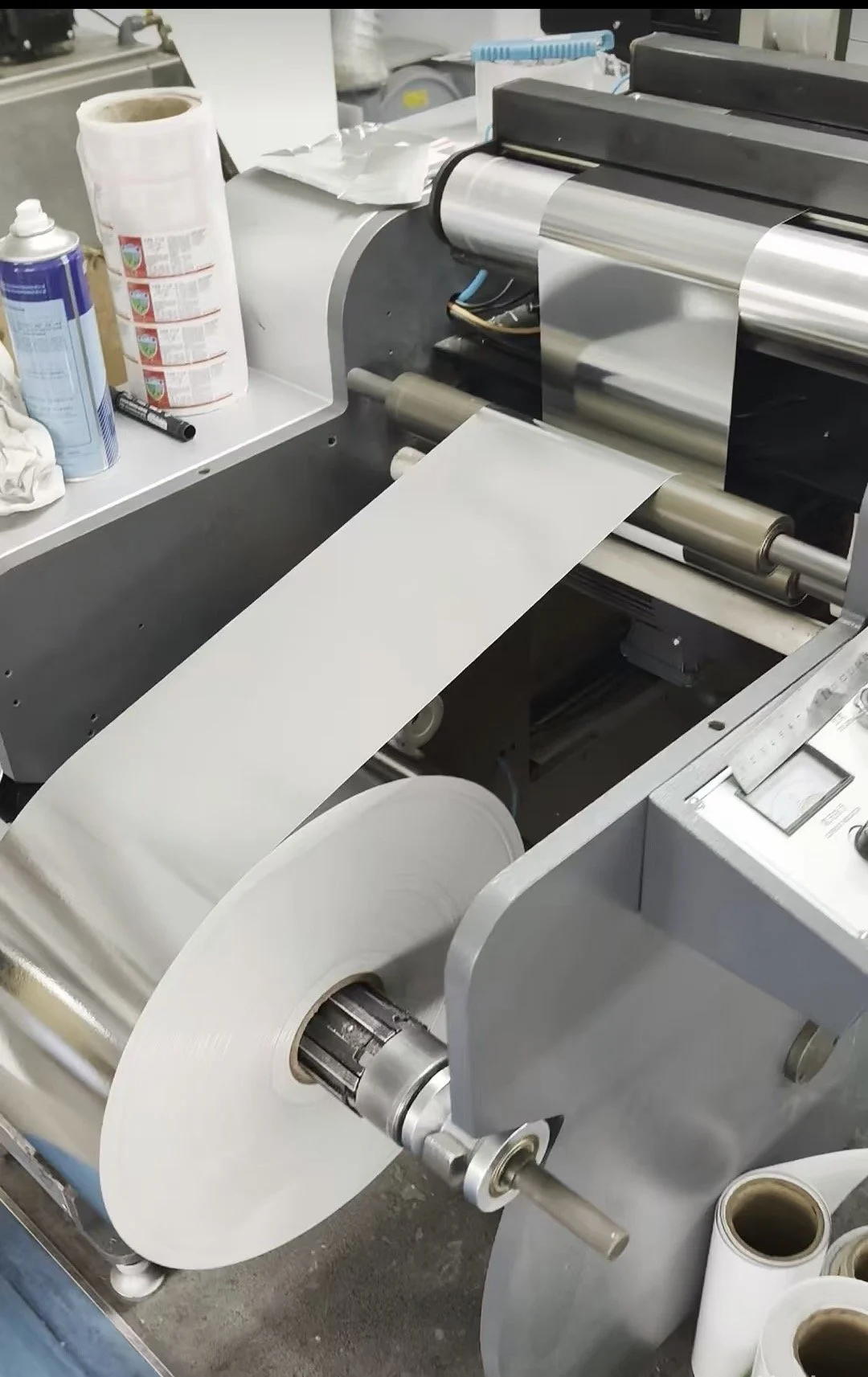
Two factories may both advertise that they manufacture the same category of product while having very different manufacturing capabilities.
A supplier may be suitable for straightforward high-volume production but not for products requiring specialised printing, premium finishing, unusual materials, tighter tolerances, custom packaging or complex assembly.
Does this factory have the process, equipment, experience and quality capability required for this particular product?
4. Compare More Than the Unit Price
It is tempting to shortlist manufacturers based primarily on quotation price. But the cheapest factory quotation does not necessarily produce the lowest commercial cost.
Unit cost may exclude tooling, artwork setup, packaging, inland freight, inspection and other project requirements.
MOQ, quality risk, freight, customs, GST, local delivery and production reliability all affect the final outcome.
For some products, manufacturing in China can provide a strong commercial advantage. For others, Australian supply may still be the more practical option.
5. Verify Who You Are Actually Dealing With
A supplier presenting itself online as a manufacturer may be the actual factory, a trading company, a sourcing agent or a business subcontracting part of the production.
That does not automatically make the supplier unsuitable. However, the buyer should understand the supply structure.
- Where will production actually take place?
- Which processes are performed in-house?
- Which processes are subcontracted?
- What equipment does the manufacturer operate?
- What similar products have they produced?
- Who is responsible for quality control?
- Who will manage production communication?
6. Use Sampling as Part of Supplier Evaluation
A sample is not simply something to approve before placing an order. It is also one of the best opportunities to evaluate how the manufacturer actually works.
During sampling, pay attention to how accurately the factory interprets specifications, artwork and layouts, how clearly it communicates and how effectively it responds to requested changes.
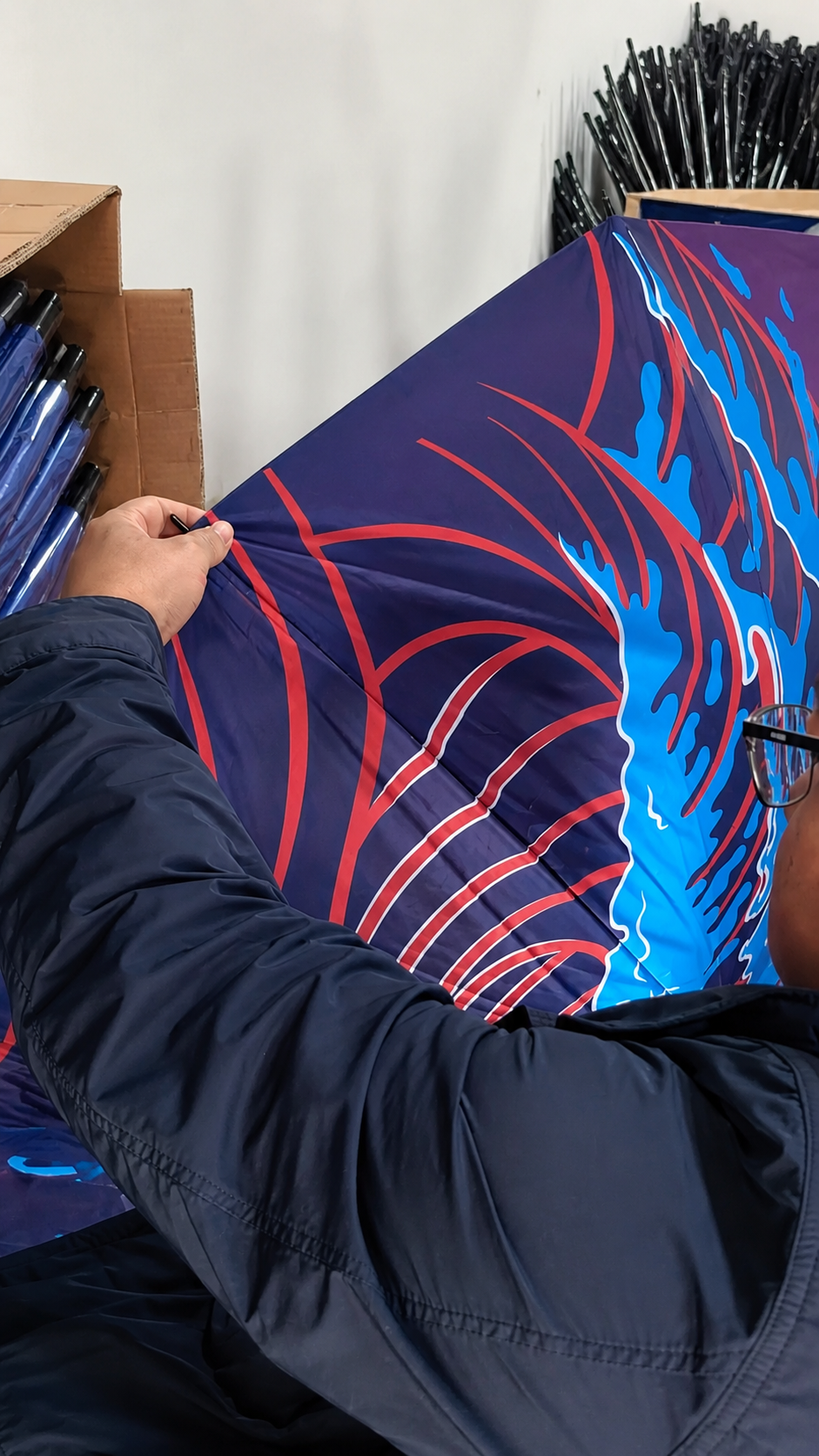
An approved sample should become a production reference.
A supplier that struggles to produce an acceptable sample may have even greater difficulty maintaining consistency across commercial production quantities.
7. Make Sure Every Factory Is Quoting the Same Specification
Several quotations may appear to be for the same product while actually being based on different assumptions.
One supplier may quote a thinner material, another may use a higher grade material. One may include individual packaging while another assumes bulk packing.
Before comparing prices, align:
Material → Dimensions → Construction → Artwork → Finish → Packaging → Quantity → Quality Requirement
8. Evaluate Communication Before Production Starts
Communication problems become much more expensive once mass production begins.
Clear communication around specifications, artwork, revisions, samples, schedules, packing and quality requirements is particularly important when the Australian buyer and manufacturer operate across different languages, time zones and business environments.
Good procurement management helps reduce the risk that what the customer requested and what the factory understood become two different things.
9. Plan Quality Control Before Placing the Order
Quality control should not begin when the container is already waiting to leave China.
Depending on the product and project risk, the process may include:
- Material confirmation
- Artwork and layout approval
- Pre-production sample approval
- Colour and finish approval
- Production checks
- Dimensional inspection
- Packing inspection
- Pre-shipment inspection
Identify problems while they can still be corrected — not after the goods arrive in Australia.
10. Understand the Full Landed Cost
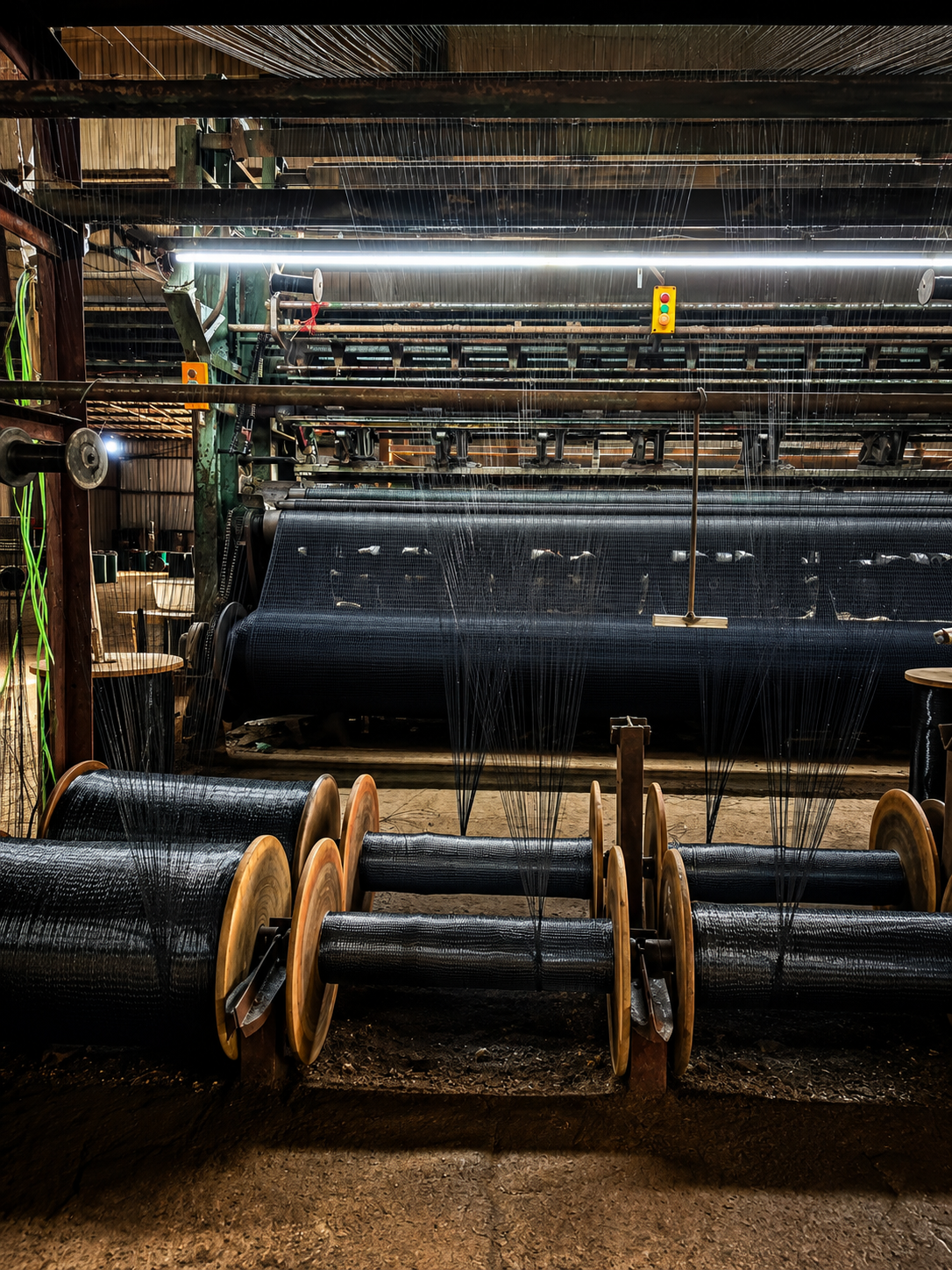
A factory quotation is only one component of the final commercial decision.
- Design and artwork preparation where required
- Tooling
- Samples
- Product packaging
- Inland transport in China
- International freight
- Customs clearance
- Duties where applicable
- GST
- Australian delivery
- Inspection
- Storage where required
For bulky or relatively low-value products, freight alone can significantly change the economics of overseas manufacturing.
11. Choose the Factory That Fits the Project
There is no universally “best” manufacturer in China.
A factory that performs extremely well for one project may be unsuitable for another.
Product + Design + Process + Quantity + Quality + Budget + Lead Time + Commercial Risk
What If You Only Have a Design, Sample or Product Idea?
You do not necessarily need a finished manufacturing specification or finished production artwork before exploring whether a product can be commercially manufactured.
You can start with what you already have.
The information can then be reviewed and, where required, developed further before it is presented to manufacturers for feasibility, costing, sampling and production.
Our design team can help prepare the product for manufacturing.
Where required, our China-based design team can assist with artwork preparation, layout, packaging graphics, label layouts, production-ready files and adjustments requested by the factory. This helps reduce communication gaps between the customer's commercial idea and the technical requirements of production.
How For U Supply Approaches China Manufacturing
For U Supply supports Australian businesses that need more than a list of factory contacts.
Our role is to connect the commercial requirement in Australia with design support, suitable manufacturers, production management and a practical landed solution.
Understand the product, application, quantity, existing materials and commercial objective.
Assist with artwork, layout, packaging files and production-related design preparation where required.
Identify suppliers with manufacturing capability relevant to the project.
Compare specification, MOQ, tooling, production methods and commercial terms.
Coordinate materials, dimensions, artwork, prototypes and production samples.
Coordinate production and inspection against approved requirements, artwork and samples.
Assess and coordinate the landed solution through to delivery in Australia.
The objective is not simply to find the lowest-priced factory. It is to develop a manufacturing solution that is commercially practical, clearly specified and manageable from initial concept through design, production, quality control and delivery.
From concept and requirement to production.
Different products require different design and manufacturing processes, but the underlying approach remains the same: clarify the requirement, prepare the product for production, select the right supplier and manage manufacturing against an approved standard.
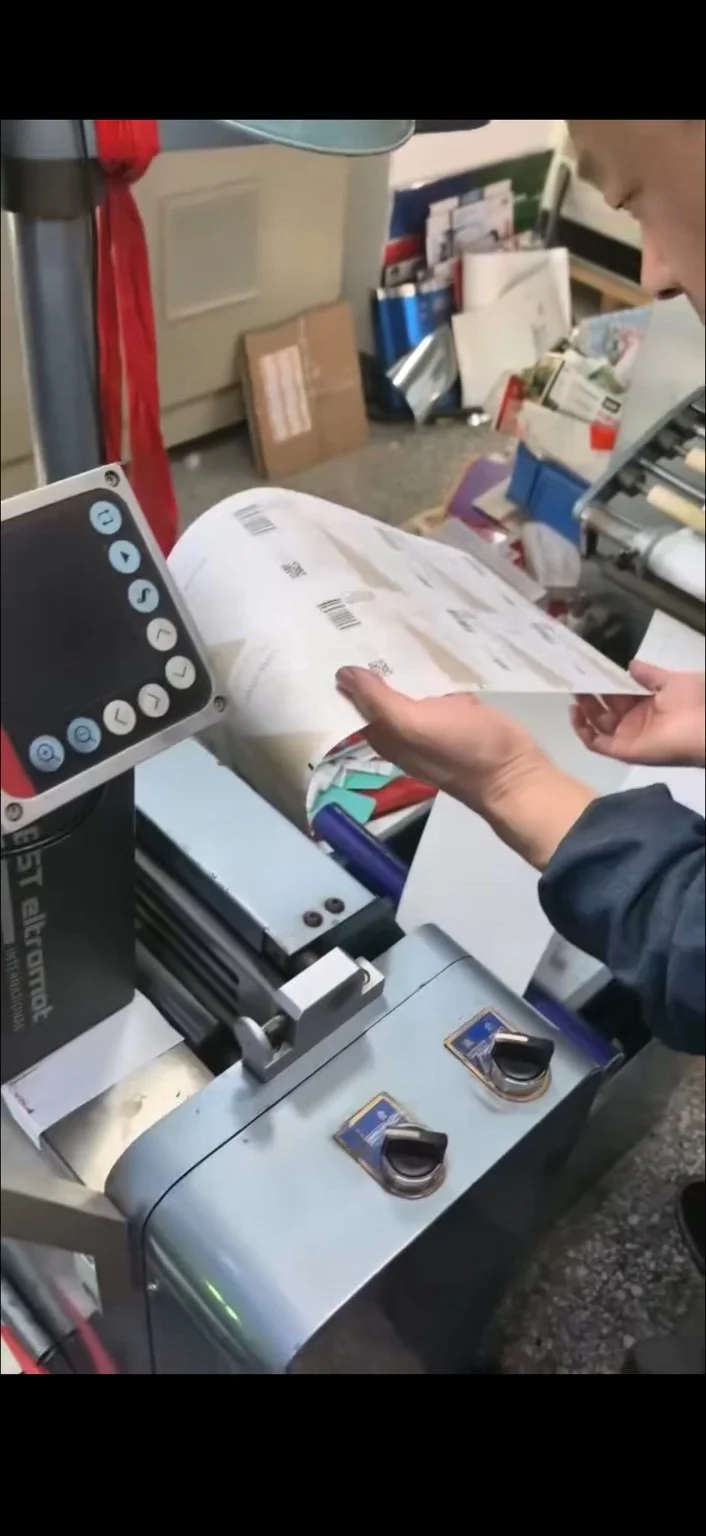
Custom Wine Labels
Artwork and layout coordination, material selection, print setup, finishing and on-ground production quality control.
View Project →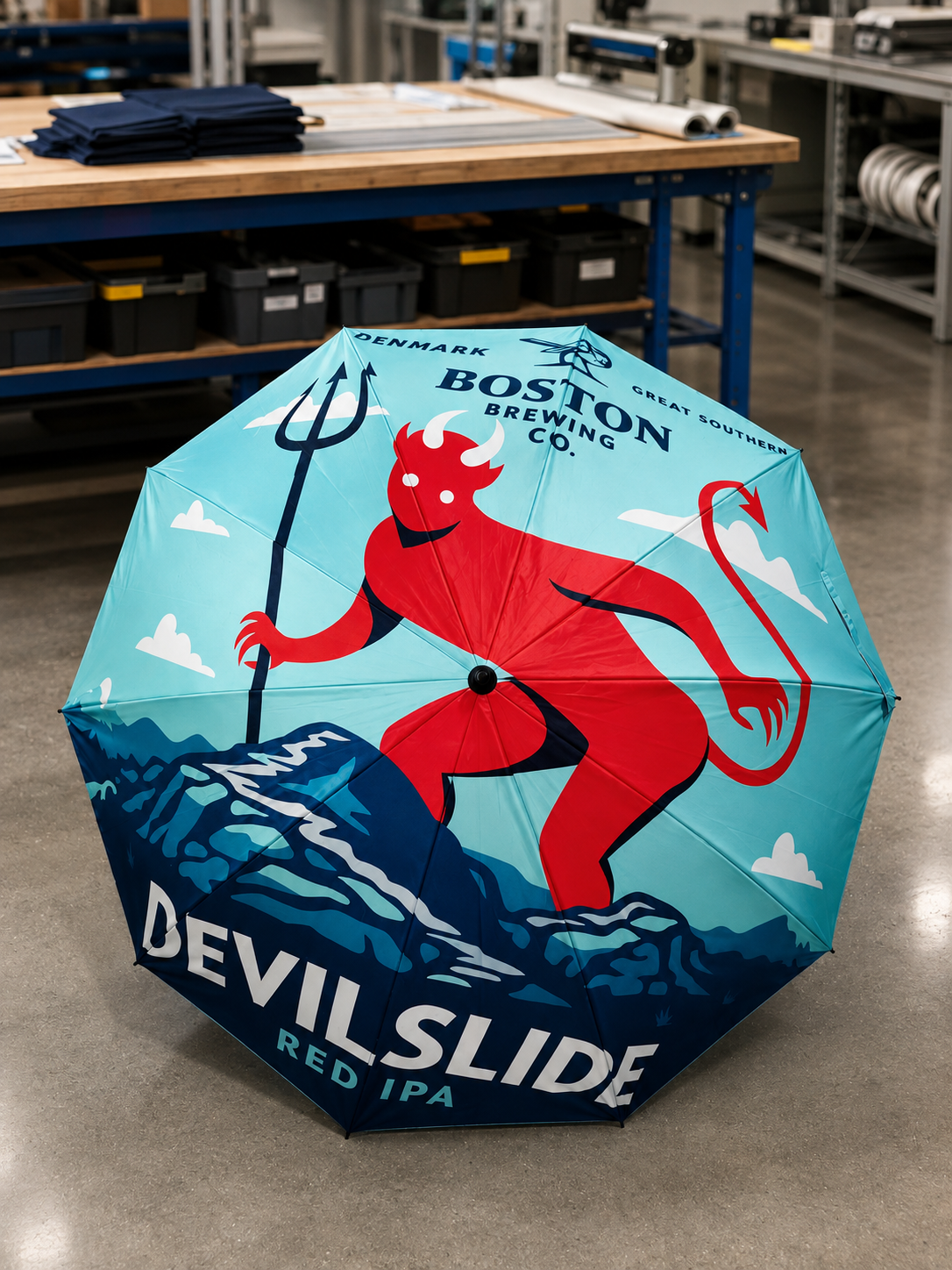
400 Custom Branded Umbrellas
Artwork coordination, custom manufacturing, assembly, production inspection and export packing.
View Project →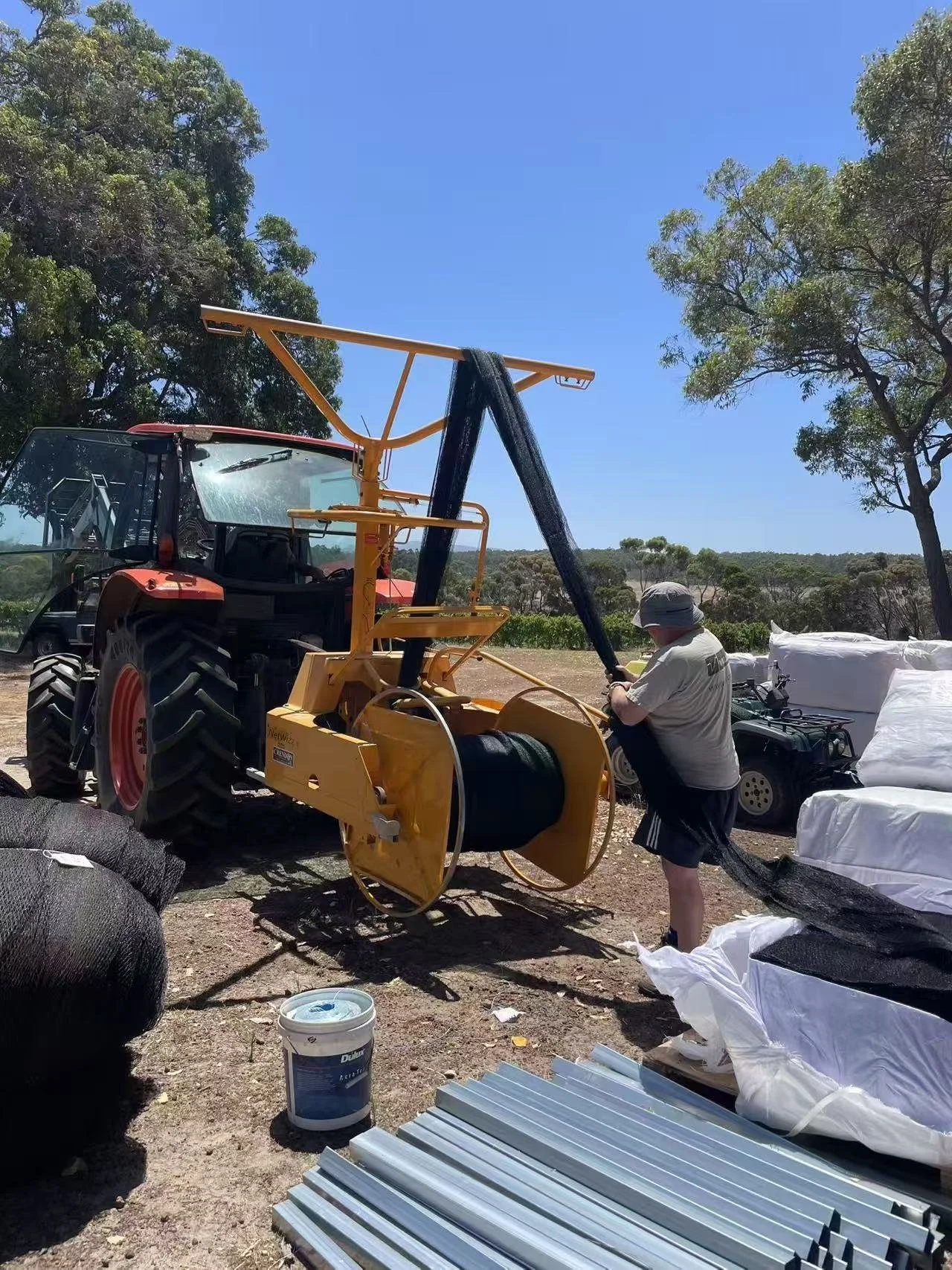
Vineyard Bird Netting
Application review, manufacturing, material assessment, quality coordination and practical vineyard deployment.
View Project →